
Expressing Emotions Through Fashion: Impact on Self-Expression
Wearing your mood on your sleeve is more than a saying—it’s a personal statement that shapes how you move through the world. For style-savvy women in American cities, fashion becomes a powerful tool to express feelings and beliefs without saying a word. By focusing on emotions that create affective bonds between you and your clothes, this guide helps you transform your wardrobe into a source of empowerment, authenticity, and confidence every time you get dressed.
Table of Contents
- What Expressing Emotions Through Fashion Means
- Emotional Influence Behind Clothing Choices
- Key Styles That Represent Emotional States
- Symbolism And Color Psychology In Outfits
- Common Pitfalls In Emotional Dressing
- Creating An Empowered Emotional Wardrobe
Key Takeaways
| Point | Details |
|---|---|
| Expressing Emotions Through Fashion | Use clothing as a deliberate language to communicate your feelings, identity, and values, rather than merely following trends. |
| Emotional Influence on Choices | Understand that your clothing selections are influenced by emotions, affecting not only personal style but also how you interact with others. |
| Color Psychology Matters | Be aware of the emotional messages conveyed by colors in your wardrobe, as they substantially impact how you present yourself and feel internally. |
| Build an Empowered Wardrobe | Curate your wardrobe intentionally, aligning pieces with your genuine emotional needs and personal style to strengthen self-expression. |
What Expressing Emotions Through Fashion Means
Expressing emotions through fashion means using clothing as a deliberate language to communicate how you feel, who you are, and what you stand for. It’s not about following trends or wearing what a magazine tells you to wear. It’s about selecting pieces that resonate with your inner emotional landscape and letting them do the talking for you. When you dress intentionally with your emotions in mind, you’re creating a bridge between your internal world and the external one. Your outfit becomes a statement, a comfort, or even a rebellion all at once.
At its core, this concept recognizes that emotions create affective bonds between people and the clothes they wear, transforming fashion from mere covering into a medium for emotional experience. Think about it: when you pull on your favorite leather jacket on a day you need to feel powerful, or slip into soft, oversized sweats when you’re craving comfort and introspection, you’re not making random choices. You’re using fashion as a tool for self-regulation and self-expression. The color you choose, the fabric against your skin, the silhouette that makes you move differently through the world, the accessories that feel like armor or celebration, these are all conversations you’re having with yourself and the people around you.
This practice goes beyond mood dressing, though that’s certainly part of it. Emotions influence creative outputs in fashion, whether you’re the designer creating something or the wearer curating your personal style. When designers infuse softness, boldness, or vulnerability into their work, they’re channeling genuine emotion. As the person wearing those pieces, you’re continuing that emotional narrative. You’re choosing to wear vulnerability, strength, joy, or sophistication depending on what your heart needs that day. Your wardrobe becomes a collection of emotional choices, each piece a chapter in the story of who you are and who you’re becoming.
Expressing emotions through fashion also means giving yourself permission to change. Your style doesn’t have to stay static because you’re not static. Some seasons call for minimalist elegance; others demand bold prints and unexpected combinations. Some days you need structure and tailoring; others require flow and ease. This emotional approach to dressing transforms your closet from a source of stress into a source of strength. You’re not trapped by rules or expectations. You’re building a collection of pieces that speak your truth, whatever that truth is on any given day.
Pro tip: _Before adding a new piece to your wardrobe, pause and ask yourself what emotion or message you want it to convey. Does it align with how you want to feel when you wear it? If the answer is yes, it belongs in your closet.
Emotional Influence Behind Clothing Choices
Your clothing choices aren’t random. They’re driven by a complex web of emotions that sit beneath the surface of every decision you make, from the moment you open your closet. Whether you’re reaching for that bold red dress because you need confidence, or choosing neutral tones because you want to feel calm, your emotions are directing the show. The connection between how you feel and what you wear is so deeply intertwined that it’s almost impossible to separate them. Your emotional state literally shapes which pieces call to you, which textures feel right against your skin, and which colors make you want to move through the world differently.
Emotions like aspiration, nostalgia, and empowerment are major players in driving your wardrobe decisions. Think about the pieces you gravitate toward when you’re feeling powerful versus when you need comfort. Emotional appeals influence consumer behavior and shape how people build their personal style, meaning your clothing choices are rarely just practical selections. You might choose a vintage-inspired blazer because it reminds you of a person you admire, triggering feelings of aspiration. You might reach for a cozy knit sweater that belonged to your grandmother because it evokes nostalgia and emotional safety. You might slip into tailored pants when you need to feel empowered and ready to take on the world. These aren’t coincidences. Your subconscious is working overtime to match your outer appearance with your inner emotional needs.
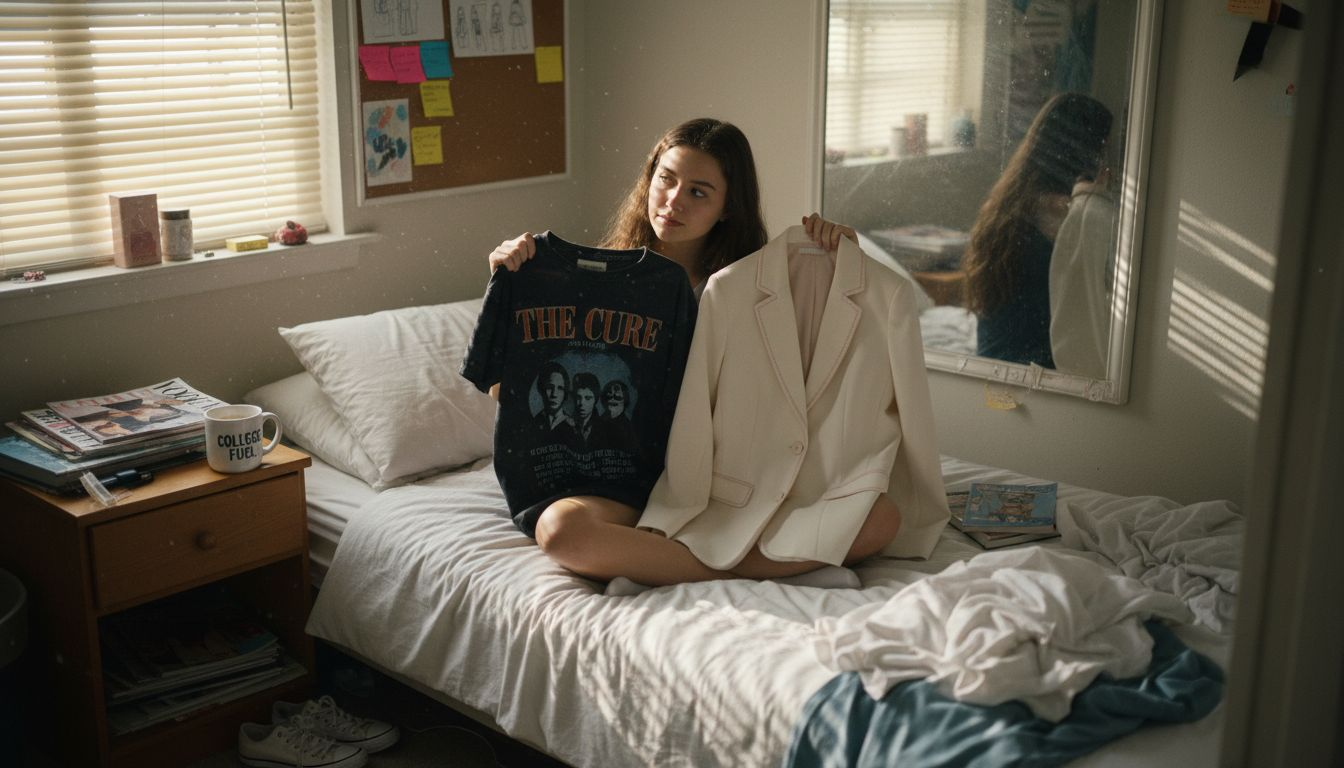
The sensory experience of clothing plays an equally powerful role in this emotional influence. Fabric color, texture, and scent evoke feelings that directly affect your mood and attitude throughout the day. Soft silk against your skin might make you feel luxurious and calm. A rough denim texture could ground you and make you feel more substantial. The brightness of a certain color might energize you, while muted tones create an introspective atmosphere. This is emotional design in action, and it’s why your wardrobe should never feel like an obligation. When you choose pieces with emotional intention, you’re not just getting dressed. You’re creating a sensory experience that supports your mental and emotional wellbeing throughout the day. The fabric you select, the colors you choose, and even the scent lingering on a beloved cardigan all work together to influence how you feel about yourself and how you navigate the world around you.
Pro tip: _The next time you’re shopping or browsing your closet, pause and notice which pieces trigger an emotional response in you, then prioritize building your collection around those items and emotions rather than trends.
Key Styles That Represent Emotional States
Different emotional states call for different styles, and understanding which clothing choices align with your mood is the secret to dressing with intention. When you’re feeling tense and anxious, you might naturally reach for structured, tailored pieces that provide a sense of control and containment. A crisp button-up shirt, fitted blazer, or high-waisted trousers give your body definition and grounding. These pieces literally hold you together when your emotions feel scattered. Conversely, when you’re feeling cheerful and energized, you’re drawn to bright colors, playful prints, and pieces with movement. A flowing midi skirt in a sunny yellow, a striped top, or anything that catches light and allows your body to move freely amplifies that joyful energy. Your wardrobe becomes a mirror reflecting what’s happening inside you, and choosing the right style reinforces and even deepens that emotional state.
Gloomy days require their own aesthetic language. You might layer oversized sweaters, choose muted color palettes, and select fabrics that feel soft and protective rather than structured. Think cozy cardigans, relaxed fit jeans, and textures that feel like a warm hug. These styles don’t fight against the heaviness you’re feeling. They acknowledge it and create comfort within it. On the flip side, relaxed emotional states call for pieces that feel effortless and comfortable without being sloppy. Soft knitwear, breathable fabrics, and loose silhouettes that still flatter your body create a sense of peace. Garment characteristics like softness and hardness communicate emotional narratives through their visual and tactile qualities, meaning the texture and structure of your clothing literally speaks to your emotional state. When you pair these pieces thoughtfully, creating layered outfits that reflect distinct moods, you’re not just dressing your body. You’re creating a complete emotional experience that extends from your skin outward.
The beauty of understanding these style categories is that you can use them strategically. On days when you need confidence, you know to reach for tailored pieces. On days when you’re celebrating, you know color and movement matter. On days when you need to rest, you know soft textures and loose silhouettes will support you. This isn’t about forcing emotions or faking confidence. It’s about working with your emotional state and choosing clothing that honors it while gently supporting where you want to go. Your style becomes a conversation between your current mood and your intentions for the day. Some days you might want to amplify your energy with bold choices. Other days you might want to soften into comfort. Both are valid, and your wardrobe should accommodate every version of yourself.
Here is a summary of how different emotions can shape wardrobe choices:
| Emotional State | Typical Clothing Features | Example Fabrics | Purpose for the Wearer |
|---|---|---|---|
| Confidence | Tailored, structured pieces | Wool, cotton twill | Empower and assert boundaries |
| Comfort/Introspection | Oversized, soft garments | Fleece, cashmere | Create safety and soothe self |
| Joy/Energy | Bright colors, flowy styles | Light cotton, viscose | Enhance mood, encourage movement |
| Calm/Grounded | Earthy tones, minimal styles | Linen, jersey | Promote peace, reduce anxiety |
| Nostalgia | Vintage-inspired or textured | Knits, old denim | Trigger fond memories |
Pro tip: _Create a mood board on your phone with outfit combinations from your closet that represent each emotional state, then you can reference it on days when your emotions feel unclear and you need style guidance.
Symbolism and Color Psychology in Outfits
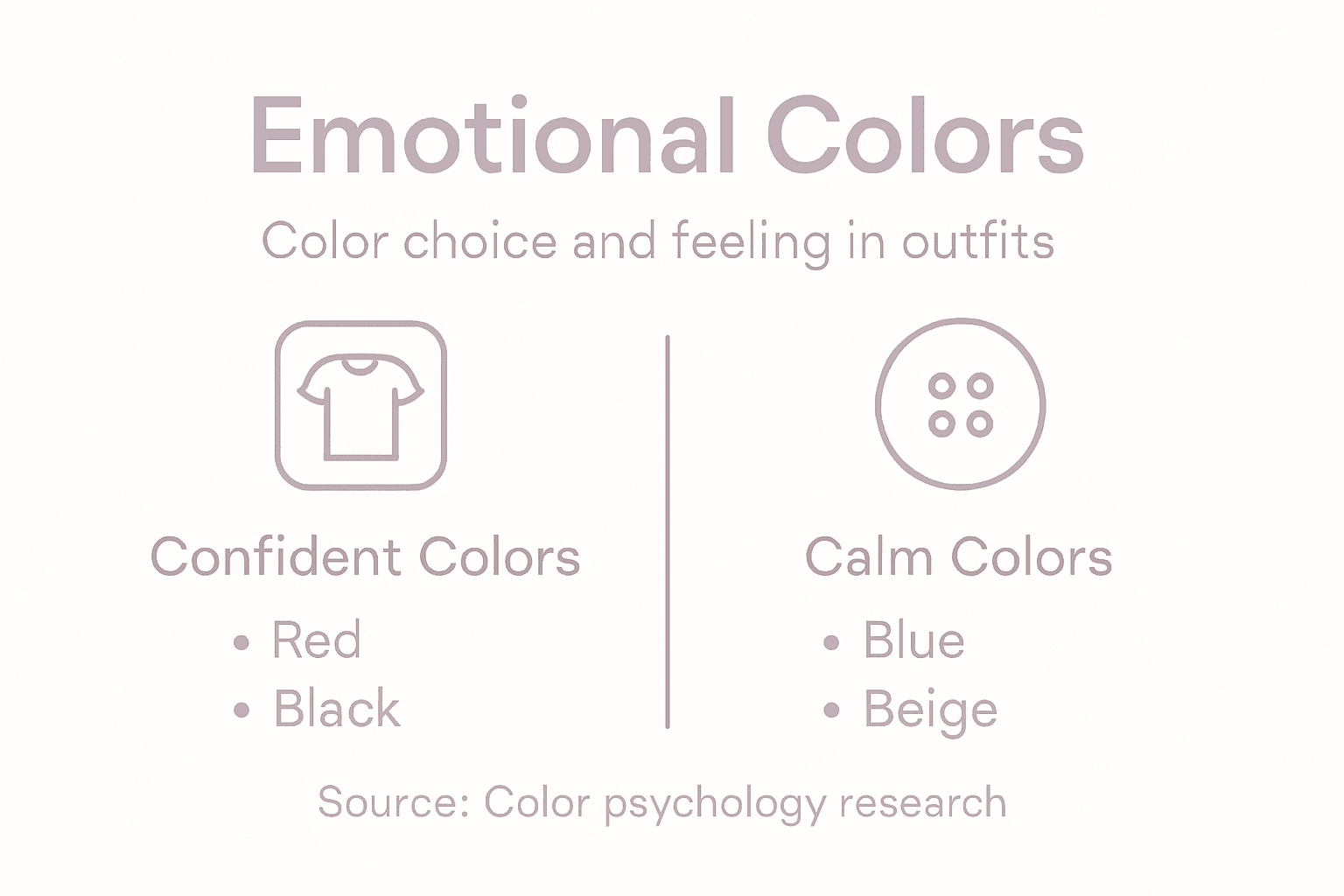
Color is possibly the most powerful tool you have in your wardrobe. Before you even move in an outfit, before anyone registers the cut or the fit or the fabric, they see the color. And that color is already speaking to them and to you. When you wear red, you’re not just wearing a color. You’re wearing power, passion, and confidence. When you slip into soft neutrals, you’re communicating calm and approachability. When you choose bold jewel tones like emerald or sapphire, you’re declaring richness and intention. Color psychology serves as symbolic language in fashion, conveying emotional and psychological messages that affect both how you feel and how others perceive you. This isn’t fluff. This is real psychology backed by how our brains process color and assign meaning to it. Every hue you choose is part of your emotional vocabulary.
Think about the colors you naturally gravitate toward when you’re feeling different emotional states. When you need confidence and energy, you probably reach for warm colors like red, orange, and gold. When you need grounding and stability, you choose earthy tones like brown, olive, and tan. When you need to feel calm and introspective, you select cool tones like blue, purple, and soft gray. These aren’t random preferences. Your subconscious is using color as psychological armor, protecting and projecting your emotional state through your clothing choices. A black outfit makes you feel powerful and contained. A cream or white outfit makes you feel fresh and hopeful. A burgundy dress makes you feel sophisticated and grounded. The color you choose literally influences your mood before you leave your house, and then it influences how people interact with you all day long.
What makes color psychology even more nuanced is that it combines with every other element of your outfit. A soft pastel pink communicated vulnerability and sweetness, while a deep fuchsia says boldness and drama. A pale yellow feels gentle and optimistic, while a mustard yellow feels earthy and confident. Paired with fabric texture, silhouette, and styling, color becomes incredibly specific storytelling. When you wear color combined with fabric and design, you’re creating a complete emotional narrative that extends from your body outward. You’re not just expressing how you feel. You’re controlling the entire energy of your presence. This is why understanding color psychology in your personal style isn’t superficial. It’s strategic emotional intelligence expressed through fashion.
The beauty is that you don’t need to overthink this. You already know which colors make you feel like yourself. You already have instincts about which shades energize you and which calm you down. The practice is simply becoming more conscious of those choices and leaning into them deliberately. When you’re building your wardrobe with color psychology in mind, you’re not limiting yourself. You’re actually creating more freedom because you understand the emotional language you’re speaking through your clothing.
Below is a reference on the psychological associations of common clothing colors for easy wardrobe planning:
| Color | Typical Emotional Message | Social Perception |
|---|---|---|
| Red | Power, confidence | Assertive, attention-grabbing |
| Blue | Calm, trustworthiness | Approachable, peaceful |
| Yellow | Optimism, creativity | Friendly, energetic |
| Black | Strength, mystery | Sophisticated, reserved |
| White/Cream | Fresh, hopeful | Pure, open-minded |
| Green/Brown | Grounded, stable | Reliable, eco-conscious |
Pro tip: _Identify three to five colors that make you feel most confident and like yourself, then build outfit combinations around those shades so you can grab them on mornings when you need quick emotional support from your wardrobe.
Common Pitfalls in Emotional Dressing
Emotional dressing is powerful, but it’s also easy to get wrong. The biggest pitfall is dressing for someone else’s emotions instead of your own. You might wear what you think you should wear, what Instagram tells you to wear, or what you believe will make others perceive you a certain way, rather than what actually reflects how you feel. This creates a disconnect between your inner world and your outer presentation. You’re spending energy maintaining a facade instead of using fashion as a tool for authentic self-expression. When you show up in clothes that don’t align with your genuine emotional state, you’re fighting yourself all day. Your body knows the truth even if your mind is trying to ignore it. The result is exhaustion and a lingering sense of inauthenticity that no perfectly styled outfit can fix.
Another common mistake is overcompensating with your clothing choices. You might think that wearing extremely bold or provocative pieces will instantly change how you feel, but misaligning emotional messaging with reality leads to consumer disconnect and emotional backlash. Forcing yourself into clothing that doesn’t feel true to who you are can create internal conflict rather than confidence. If you’re naturally introverted and anxious, suddenly wearing fire engine red and leather from head to toe might feel like costume play rather than authentic expression. True emotional dressing meets you where you are, not where you think you should be. It’s the difference between wearing a bold burgundy because it genuinely makes you feel powerful versus wearing it because you read that power dressing requires red. One feels like freedom. The other feels like performance.
A third pitfall is ignoring the gap between emotional expectations and actual experience. Poor emotional design creates dissonance when consumer expectations don’t match product experiences, meaning you might buy a piece because you love how it looks or the emotional story around it, only to find that the fabric feels wrong against your skin or the fit doesn’t allow you to move freely. Emotional dressing requires both aesthetic alignment and sensory alignment. A gorgeous dress that irritates your skin all day isn’t going to make you feel good no matter how much the color speaks to you. Pay attention to the complete experience, not just the visual or the emotional story. The best emotional dressing happens when the way something looks, feels, and fits all work together to support your genuine emotional needs.
Finally, avoid using fashion as a substitute for actual emotional processing. Clothes can support your emotional journey, but they can’t replace genuine work. If you’re struggling with anxiety or depression, wearing the perfect outfit might help you show up, but it won’t heal the underlying issue. Fashion is a tool for expression and self-care, not a cure. Use it wisely in conjunction with whatever else you need to support your mental and emotional health.
Pro tip: _Before buying a piece because you love its emotional vibe, wear something similar for a full day to make sure the fit, fabric, and feel actually support how you want to feel, not just how you think you want to look.
Creating an Empowered Emotional Wardrobe
Building an empowered emotional wardrobe starts with one simple practice: ruthless honesty about who you actually are, not who you think you should be. Stop buying pieces because they fit some imaginary version of yourself or because they look good on a model with a different body, life, and emotional landscape. Instead, start selecting garments that resonate with your authentic self and your genuine emotional needs. This means understanding your personal style language, the colors and silhouettes and fabrics that make you feel most like yourself. It means knowing which pieces make you want to move through the world with confidence and which ones make you feel like you’re wearing a costume. An empowered emotional wardrobe is built piece by piece, with intention and self-awareness. Every item should earn its place because it supports both how you want to feel and how you actually feel on the days you wear it.
The foundation of an empowered emotional wardrobe is using fashion as psychological armor that boosts confidence and embodies your personal narrative. This means choosing pieces that you can trust to make you feel grounded, powerful, calm, or joyful depending on what the day requires. These aren’t trend pieces. They’re anchor pieces. They might be a perfectly fitted blazer that makes you feel capable, a cashmere sweater that feels like comfort and luxury, jeans that fit your body like they were made specifically for you, or a color that you know without question makes you feel alive. Build your wardrobe around these anchor pieces first. Then layer in additional options that work with them to expand your emotional range. The key is intentionality. Every piece should serve a purpose beyond looking cute. It should support your emotional well-being and self-expression.
To create this wardrobe, integrate emotional awareness into your selection process by approaching each purchase or closet curation with vulnerability and emotional intelligence. Ask yourself honest questions. How does this piece make me feel when I put it on? Does it align with my values and my authentic self? Will this support me on the days I need confidence, comfort, or calm? Can I actually move and breathe in this? Does the fabric feel good against my skin? If you can’t answer yes to these questions, the piece doesn’t belong in an empowered wardrobe, no matter how beautiful it is or how much it cost. Your wardrobe should communicate your story without apology. It should be a collection of pieces that work together to support your emotional journey and reinforce your sense of self. Over time, this wardrobe becomes armor. Not the kind that closes you off. The kind that opens you up and lets you show the world exactly who you are.
Pro tip: _Spend two weeks wearing only pieces from your closet that make you feel genuinely good, then use that experience to identify the common threads (colors, silhouettes, fabrics) and build future purchases around those elements.
Elevate Your Emotional Expression Through Fashion with Be Juliet
The article highlights the challenge of finding clothing that truly resonates with your emotional state and authentic self. Many women struggle with aligning their wardrobe choices to express confidence, comfort, joy, or calm without feeling like they are wearing a costume or following external expectations. At Be Juliet, we recognize this pain point and invite you to embrace a wardrobe designed for genuine self-expression. Our collections reflect the emotional narratives you want to convey, offering versatile pieces that adapt to your mood and empower you to wear your feelings proudly.
Explore our thoughtfully crafted range featuring cozy Sweaters & Sweatshirts that soothe and comfort on introspective days, elegant Blouses that articulate confidence and sophistication, and Women’s Outerwear designed to give you strength and presence. Each garment is infused with the spirit of love and intention, giving you psychological armor to face your day authentically. Visit Be Juliet now to build an empowered emotional wardrobe that speaks your story and boosts your confidence every time you dress.
Frequently Asked Questions
What does it mean to express emotions through fashion?
Expressing emotions through fashion means using clothing to communicate feelings, identity, and ethical stances rather than simply adhering to trends. It involves selecting pieces that resonate with your emotional state, creating a personal narrative through your wardrobe.
How can my mood influence my clothing choices?
Your mood heavily influences your clothing choices, directing you toward styles, colors, and fabrics that align with your current emotional state. For example, you might choose bright colors when feeling joyful or opt for soft, oversized garments when seeking comfort.
What role does color play in emotional expression through clothing?
Color plays a significant role in emotional expression, as different colors evoke distinct feelings and can impact both your mood and how others perceive you. For instance, red signifies power, while blue conveys calmness.
How can I build a wardrobe that supports my emotional well-being?
To build a wardrobe that supports your emotional well-being, focus on selecting pieces that resonate with your authentic self. Ensure each item meets your emotional needs and aligns with how you want to feel, avoiding trends that don’t authentically represent you.
Recommended
- Emotion in Fashion – Shaping Identity and Confidence – Be Juliet
- Fashion and Emotion: How Clothing Shapes Mood – Be Juliet
- Fashion and Mental Health: How Your Style Impacts Your Wellbeing – Be Juliet
- Fashion and Self-Identity – How Style Shapes Confidence – Be Juliet
- Hair Analysis Onboarding | MyHair